Lucky Child Special Education Needs Association

Empowering the children of Mauritius to learn, thrive, and belong.

Who We Are

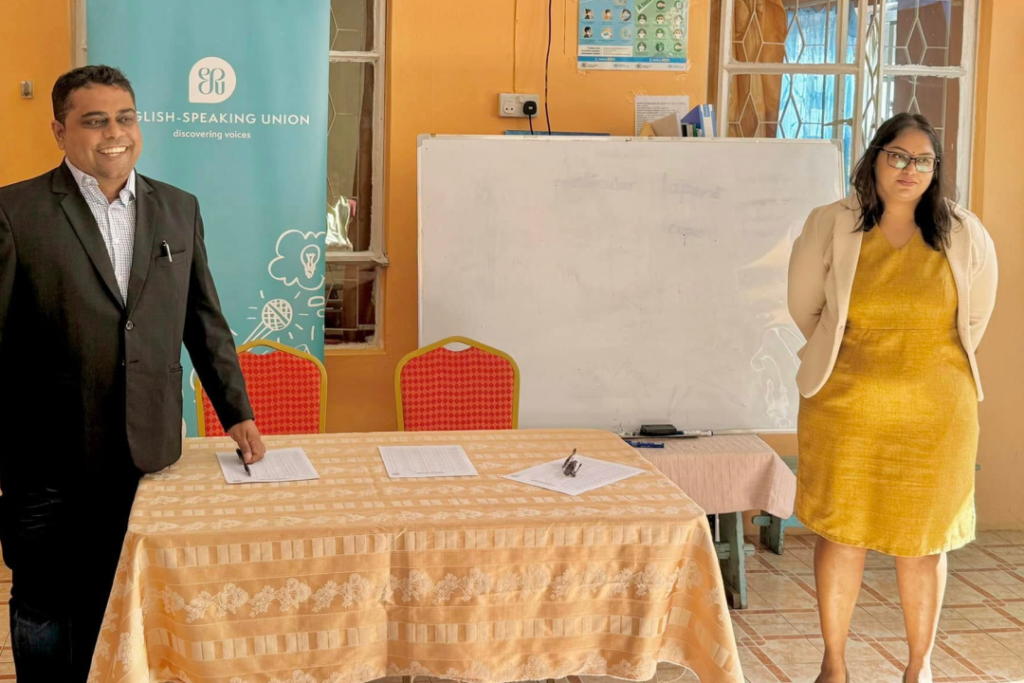
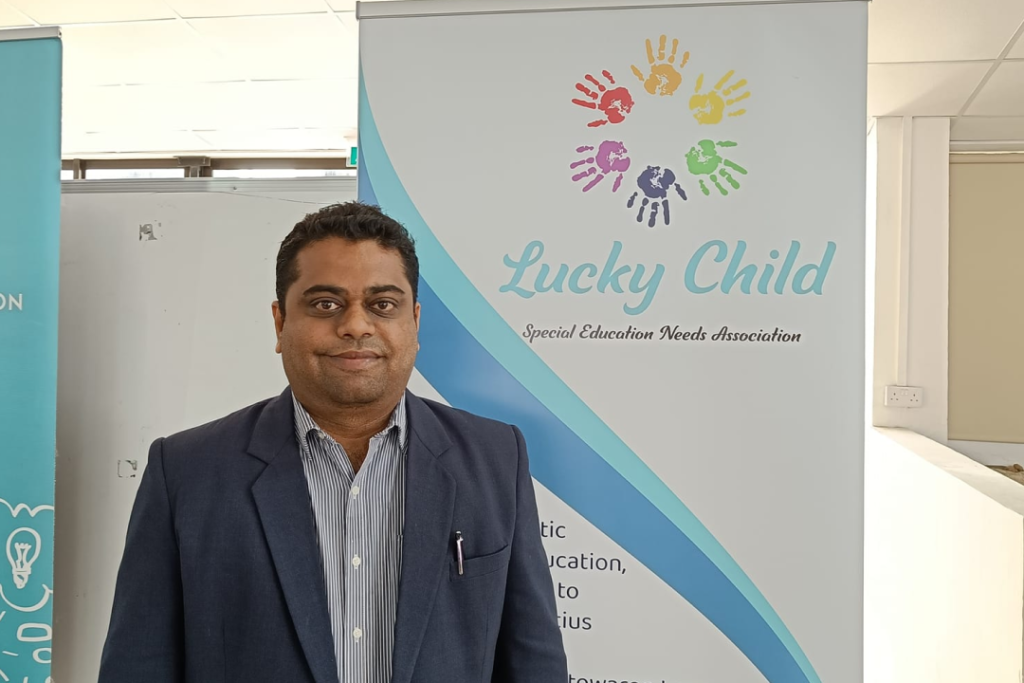
Ashveen Kutowaroo is a respected multidisciplinary leader in Mauritius , known for his contributions across law, education, and technology. With a strong background in governance and academia, he has played key roles in educational and cultural institutions while also actively shaping the country’s tech ecosystem through community leadership, mentorship, and initiatives like developer groups and tech events.

His work reflects a commitment to youth empowerment, digital innovation, and inclusive development, making him a notable figure in both professional and community spheres in Mauritius.

Ashveen Kutowaroo
Founding President

Impact Stories​

Alvin’s Story – Discovering Music

Alvin is a young boy from the North of Mauritius who was diagnosed with learning and developmental challenges at an early age. At school, he often struggled to keep pace with traditional classroom learning and became quiet and withdrawn over time. His parents were concerned that he was losing confidence.
 
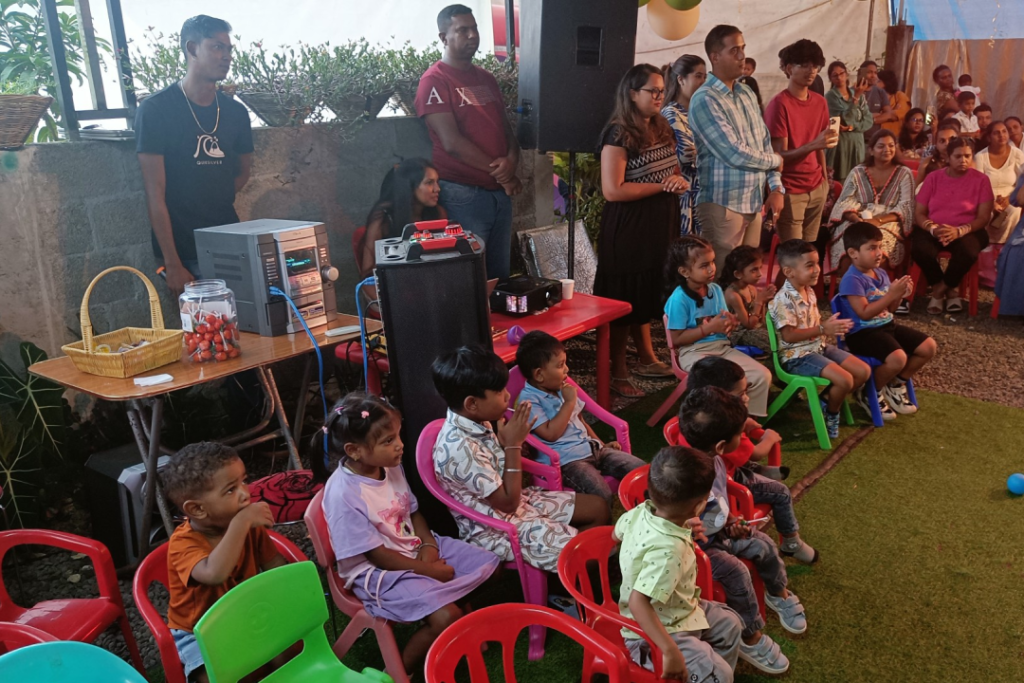
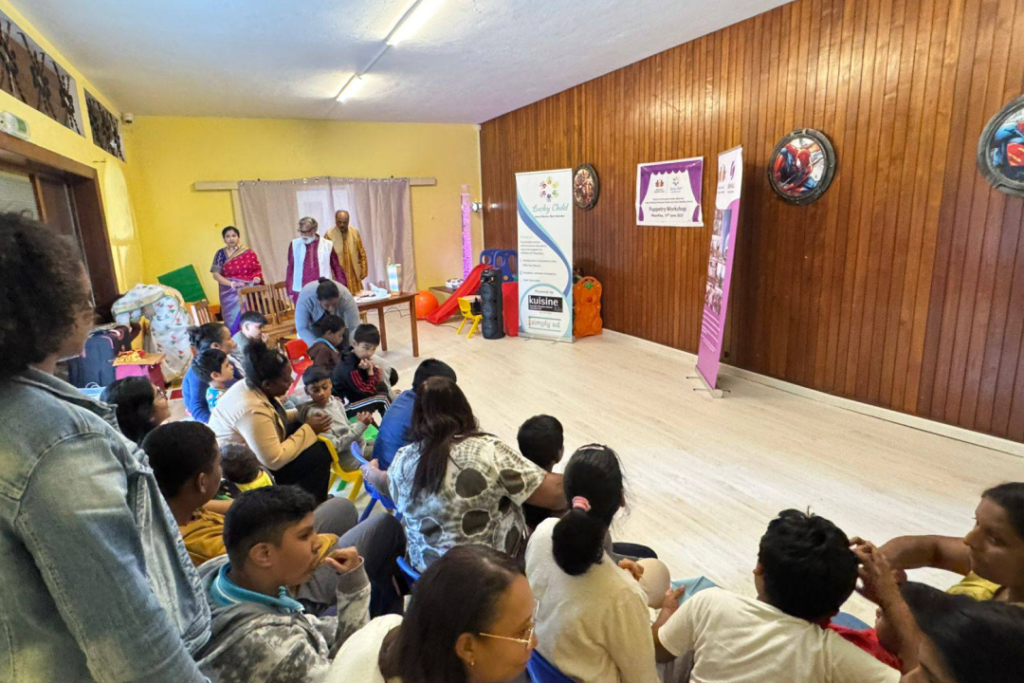
When Alvin was introduced to Lucky Child, the focus was not on what he could not do, but on what he responded to. During one of the engagement sessions, facilitators noticed his strong reaction to rhythm and sound. He would tap desks gently, repeat beats, and become visibly calm when music was played.
 
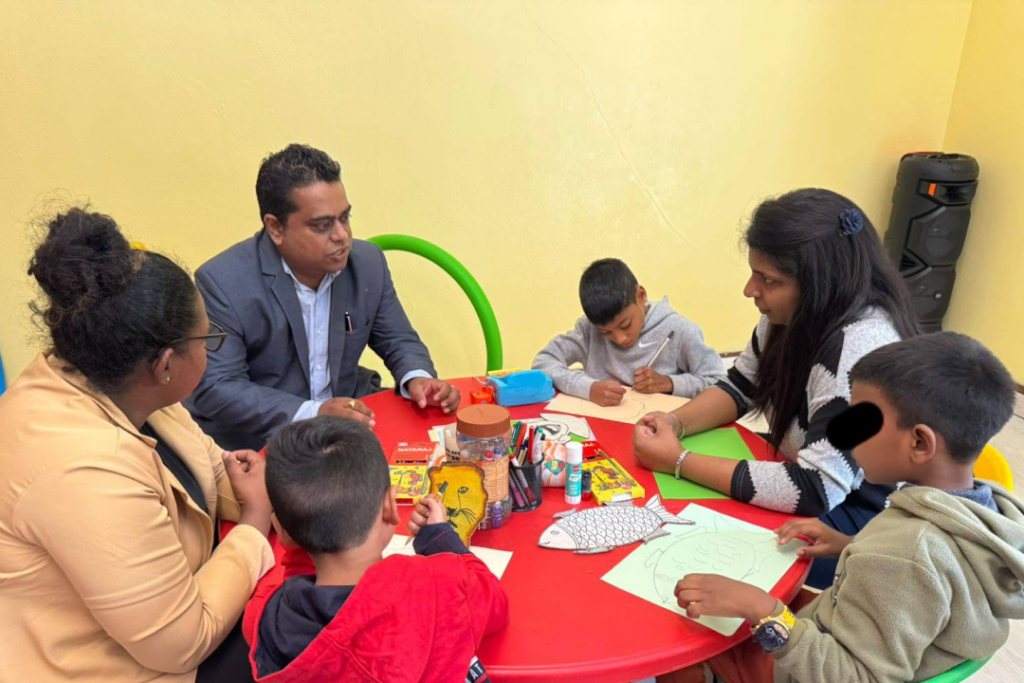
Through guided exposure and simple structured activities, Alvin was introduced to basic percussion and rhythm exercises. Over time, this became a form of expression for him. He began participating in small group music sessions and gradually grew in confidence.
 
Today, music is his safe space. He communicates more, engages better with peers, and looks forward to every session where he can explore sound. His family now sees a child who is expressive, joyful, and connected.


Mariam’s Story – Finding a Voice Through Reading

Mariam is a young girl from Quatre Bornes who was part of a Lucky Child storytelling and literacy initiative conducted in a community centre. At school, she had difficulty with reading comprehension and often avoided reading aloud in class.
 
During storytelling sessions, facilitators used interactive methods, visual cues, and shared reading techniques to engage children at their own pace. Mariam was initially hesitant, but she was drawn to illustrated storybooks that reflected everyday life and simple emotions.
 
With encouragement and repetition, she slowly began recognising words and connecting them to meaning. A turning point came when she read a short paragraph aloud during a group session for the first time. It was not perfect, but it was hers.
 
Over time, reading became something she looked forward to rather than feared. Her teachers noticed improvement in attention, vocabulary, and participation in class discussions. Her parents shared that she now asks for bedtime stories every night and even tries to read them herself.

Our Sponsors

People like you. Individuals and Corporate alike

Benefit to a company for donating to Lucky Child : Under Section 66 of the Income Tax Act 1995 (Mauritius), companies making approved donations to a recognised charitable institution may benefit from tax relief, subject to the conditions laid down by the Mauritius Revenue Authority (MRA).
 
In practical terms, where a company contributes to an organisation such as Lucky Child Special Education Needs Association (LCSENA), and where LCSENA is recognised as a charitable institution engaged in the support of persons with disabilities, the donation may qualify for a deduction against taxable income. This is provided that the donation is properly documented, made without any direct or indirect commercial benefit, and supported by a valid receipt issued by the approved institution.

From an accounting and corporate governance perspective, the key consideration is that such

donations are treated as allowable deductions only within the statutory limits prescribed by the Act and related MRA guidelines. Proper classification in the financial statements is essential, and supporting documentation must clearly establish the nature of the donation, the beneficiary’s approved charitable status, and the absence of consideration.

For directors, this mechanism serves a dual purpose. First, it allows the company to support a socially impactful cause aligned with inclusion and disability rights. Second, it provides a structured fiscal benefit by reducing the company’s taxable income in compliance with the law.
 
In the case of Lucky Child, contributions directly support early identification, intervention, education, and inclusion programmes for children with special educational needs in Mauritius. This ensures that corporate social responsibility is not only meaningful but also fiscally efficient under the applicable provisions of the Income Tax Act.

Donate

Support Us and Change the Course of a Child’s Life Today!

Join us in giving every child the chance they deserve.